Adaptation
SymbioticA, a ground-breaking artistic research laboratory once housed at The University of Western Australia, took its long-term art and ecology research project, Adaptation, on the road. Exploring the microbe to the macro and everything in between, Adaptation was a project supported by SymbioticA and Mandurah City Council and undertaken by artists at Lake Clifton, close to Perth,WA, since 2008.
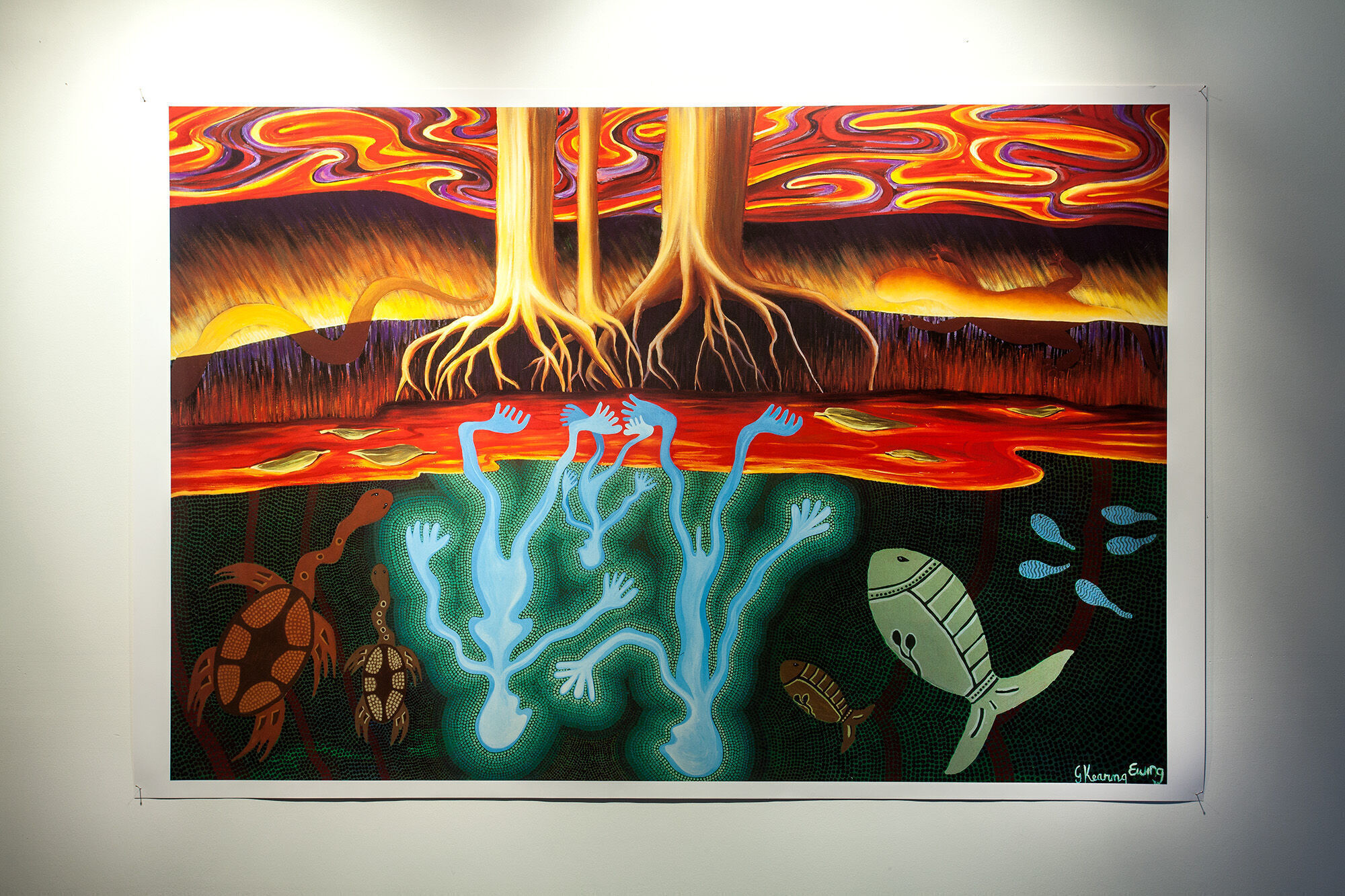
Artists-in-residence involved in the project were represented in the exhibition. Lake Clifton as a location and as a metaphor offered a microcosmic peek into the broader issues of ecology and life itself. The site had the most significant colony remaining in the world of thrombolites – the building blocks of life which form the basis of the artworks – and was under threat from encroaching development. Adaptation broadly scoped issues spanning from the creation of life, Indigenous culture, colonisation, scientific discovery and economic booms to fragility in the face of climate change.
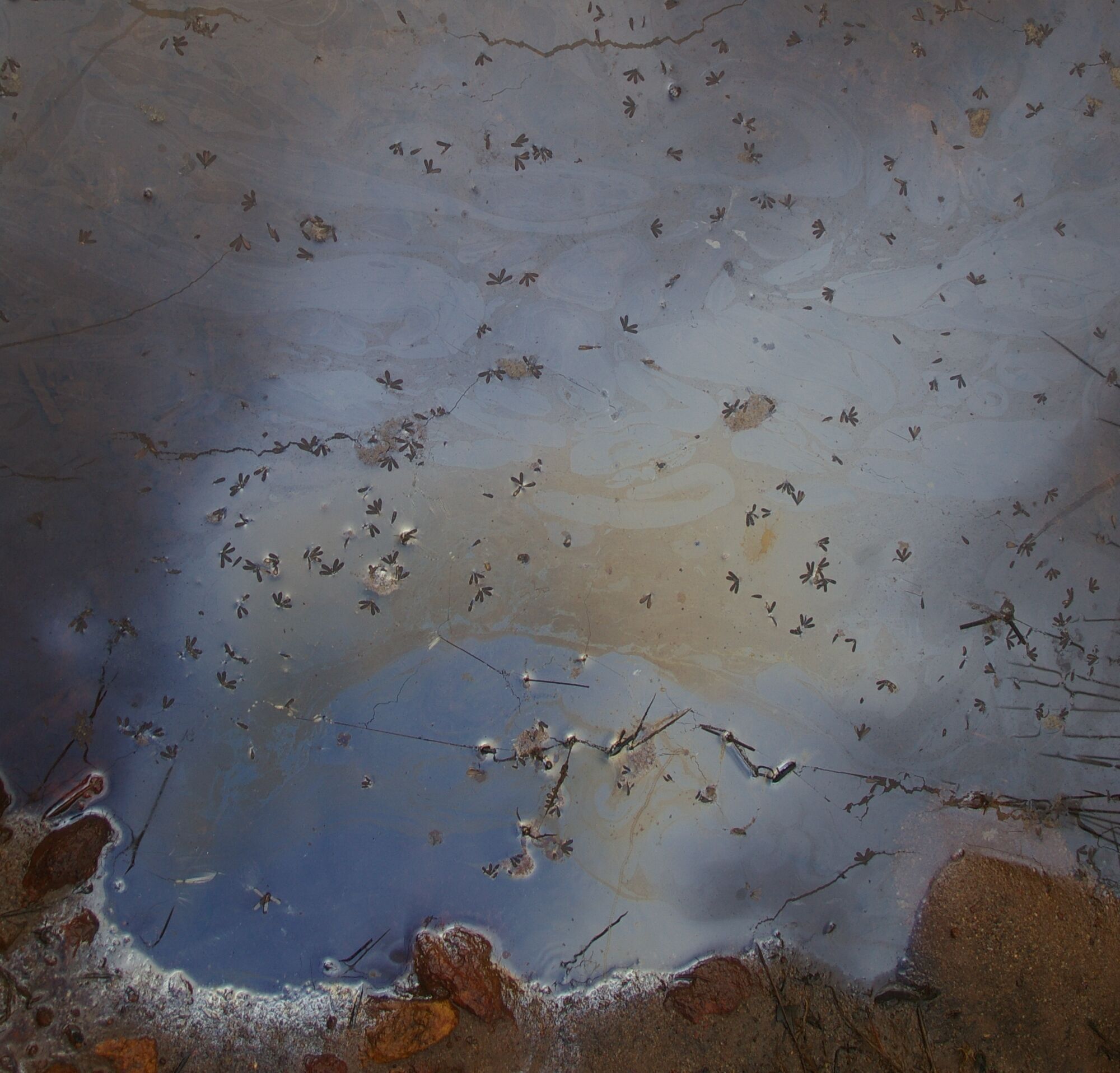
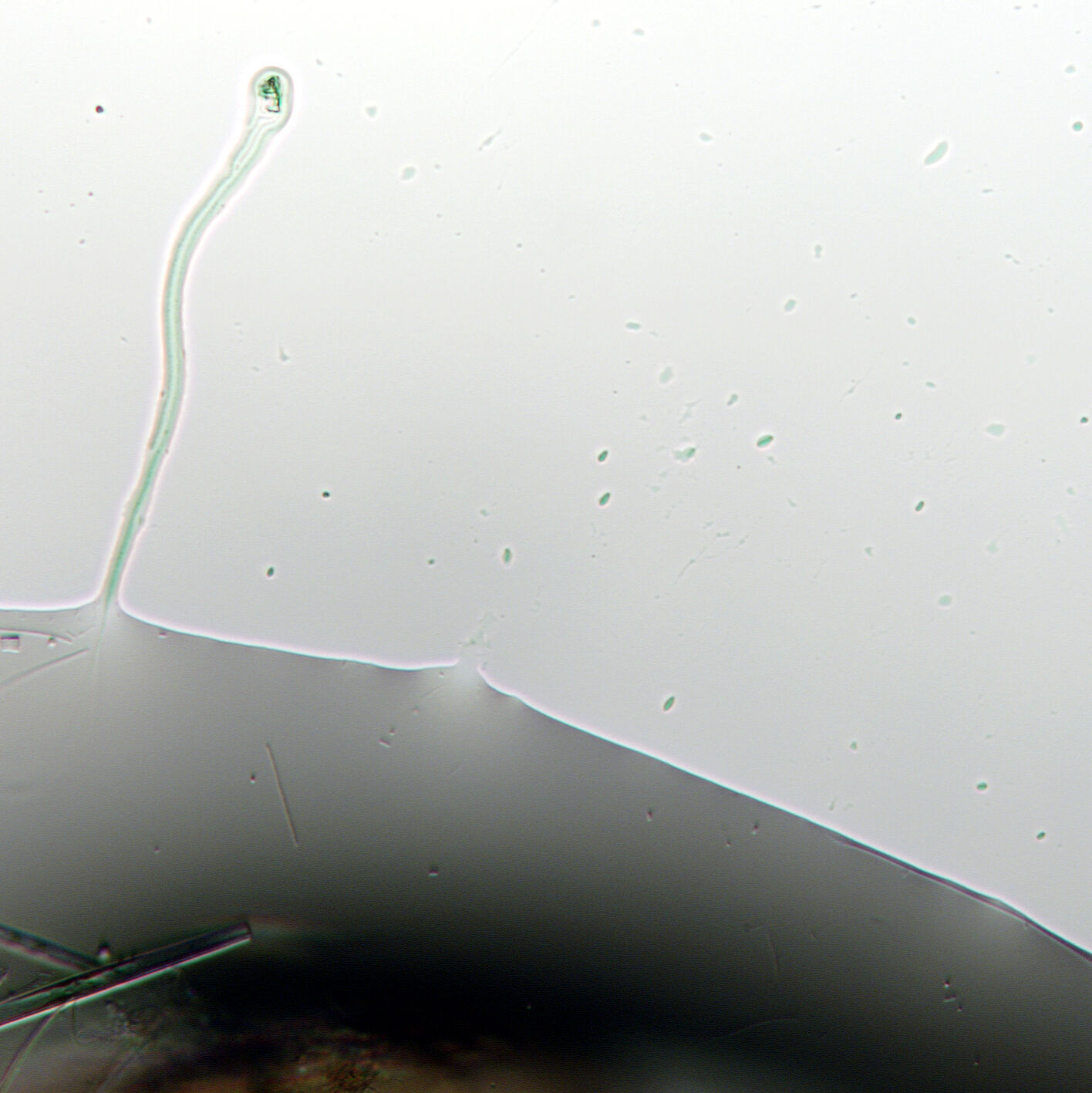
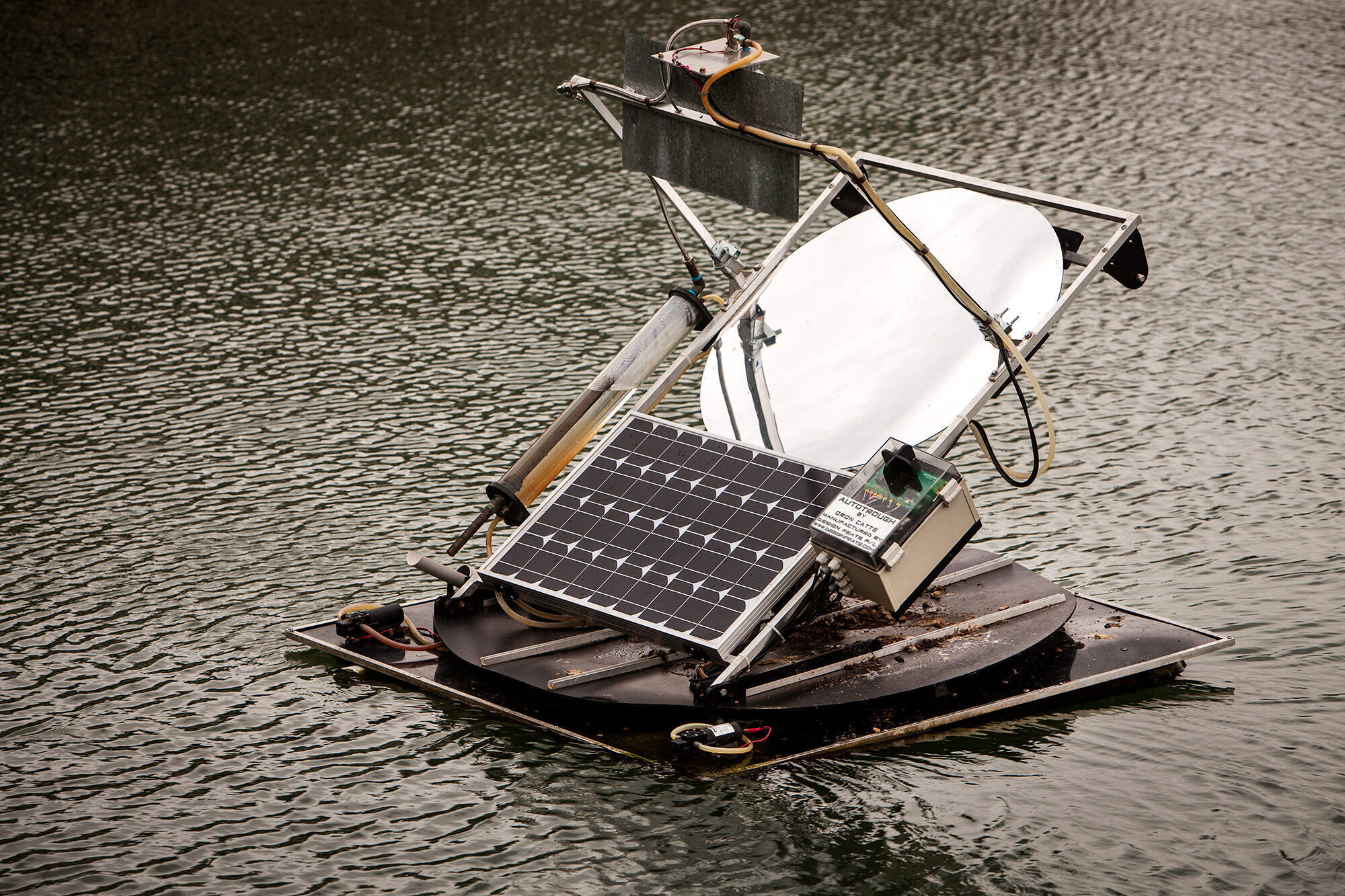
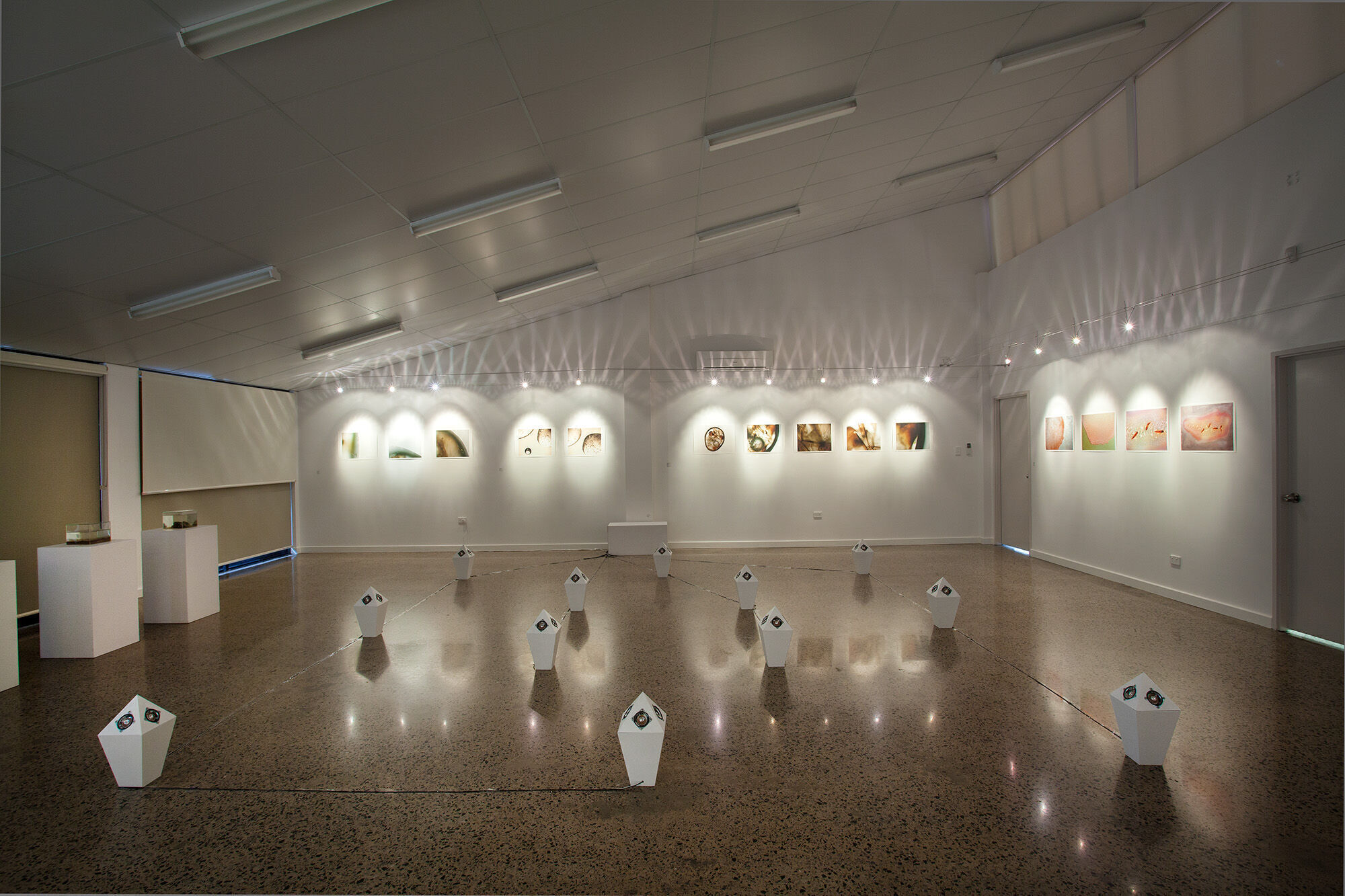
Featuring artists from Western Australia, France and Columbia, the artworks explored ecological fragility via the thrombolite colony south of Mandurah. Thrombolites are found wherever cyano bacteria thrives. These bacteria processed the earth’s atmosphere to a state where the oxygen levels made other life forms viable. Adaptation presented a range of perspectives about this area in the form of sound and sculptural installations, microscopy
and video works, accompanied by a full catalogue that included scientific and Indigenous commentaries. Artists included in Adaptation: Art Orienté Objet, Juan M. Castro, Oron Catts, Galliano Fardin, Catherine Higham, Gloria Kearing, Rob Ewing Perdita Phillips, Vyonne Walker, Carmel Wallace, Annamaria Weldon.