Abstract Earth
Dutch-born photographer Richard Woldendorp has been depicting the Australian landscape from a unique perspective – the sky. As a veteran of many flights and with 20 books, numerous group exhibitions and 30 solo shows both in Australia and overseas behind him, Woldendorp is acknowledged as a giant of Australian photography.
It is not only the natural landscape and its extraordinary features that caught Woldendorp’s eye, but also the man made aspects of the landscape such as farming, crops, mining and construction. He used the camera alone to achieve his remarkable images and believed in the truth it can communicate. He is not interested in manipulating images using computer software, preferring instead, in his words “to retain the optical reality of what is there.”
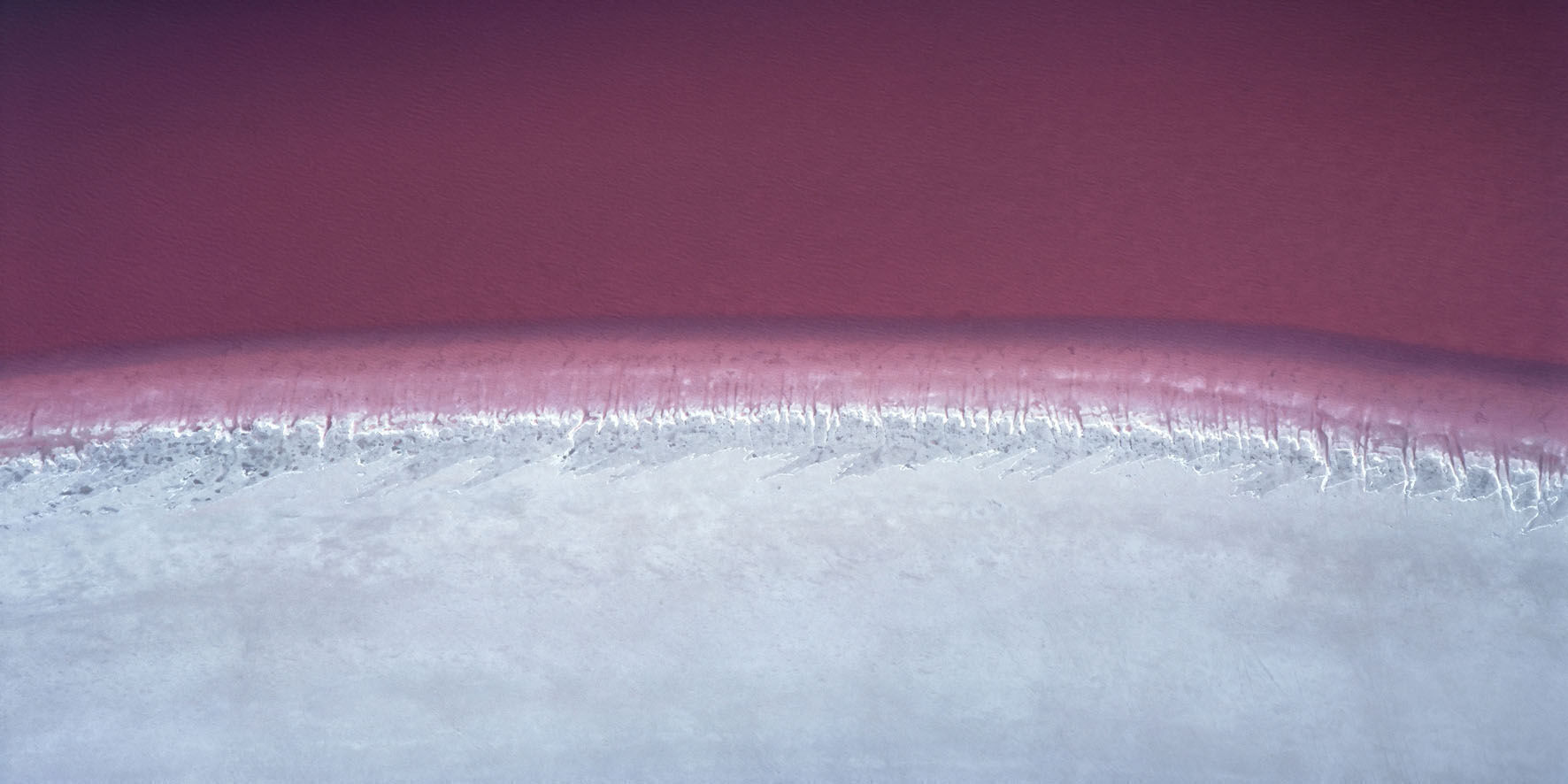
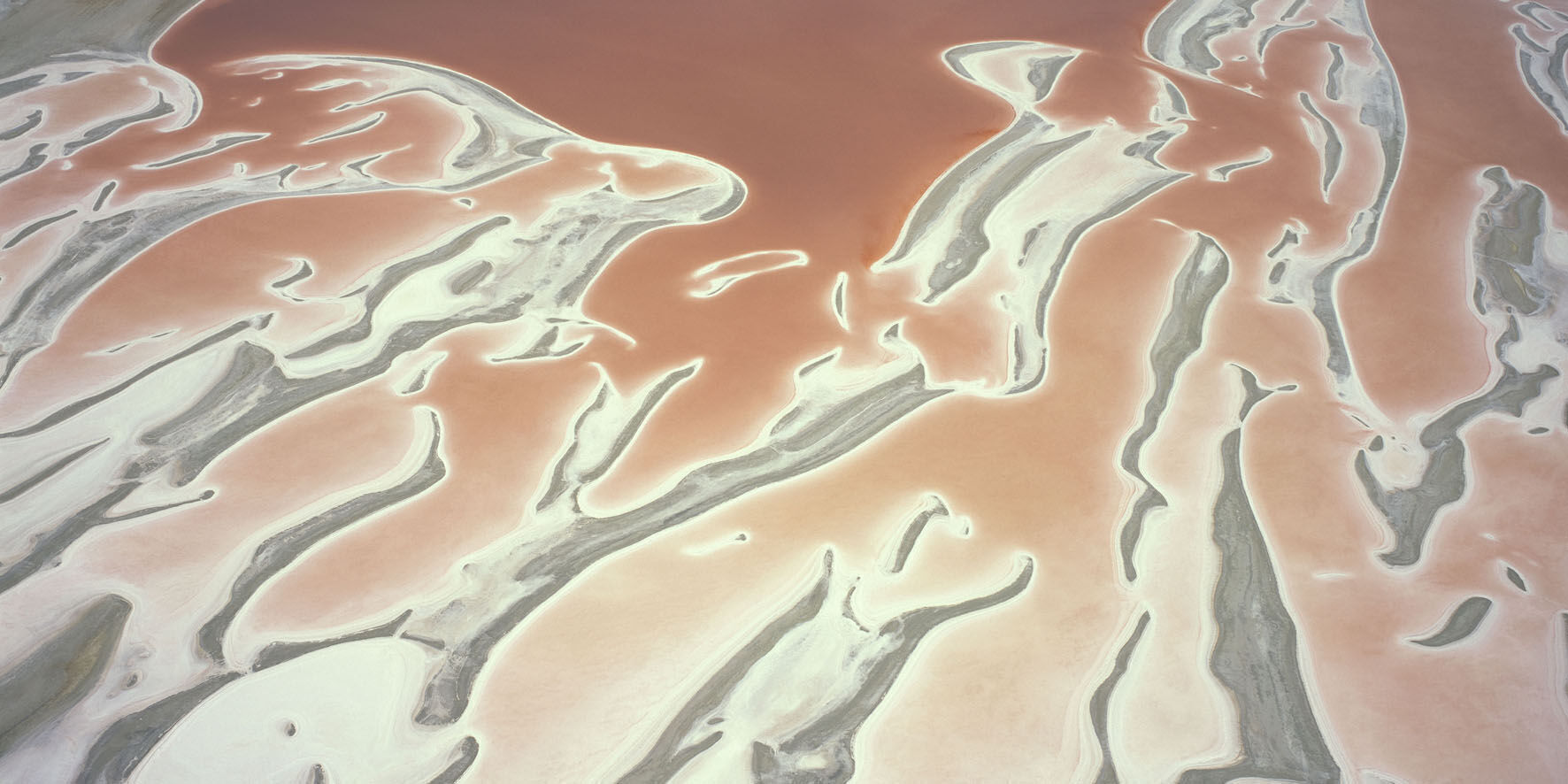
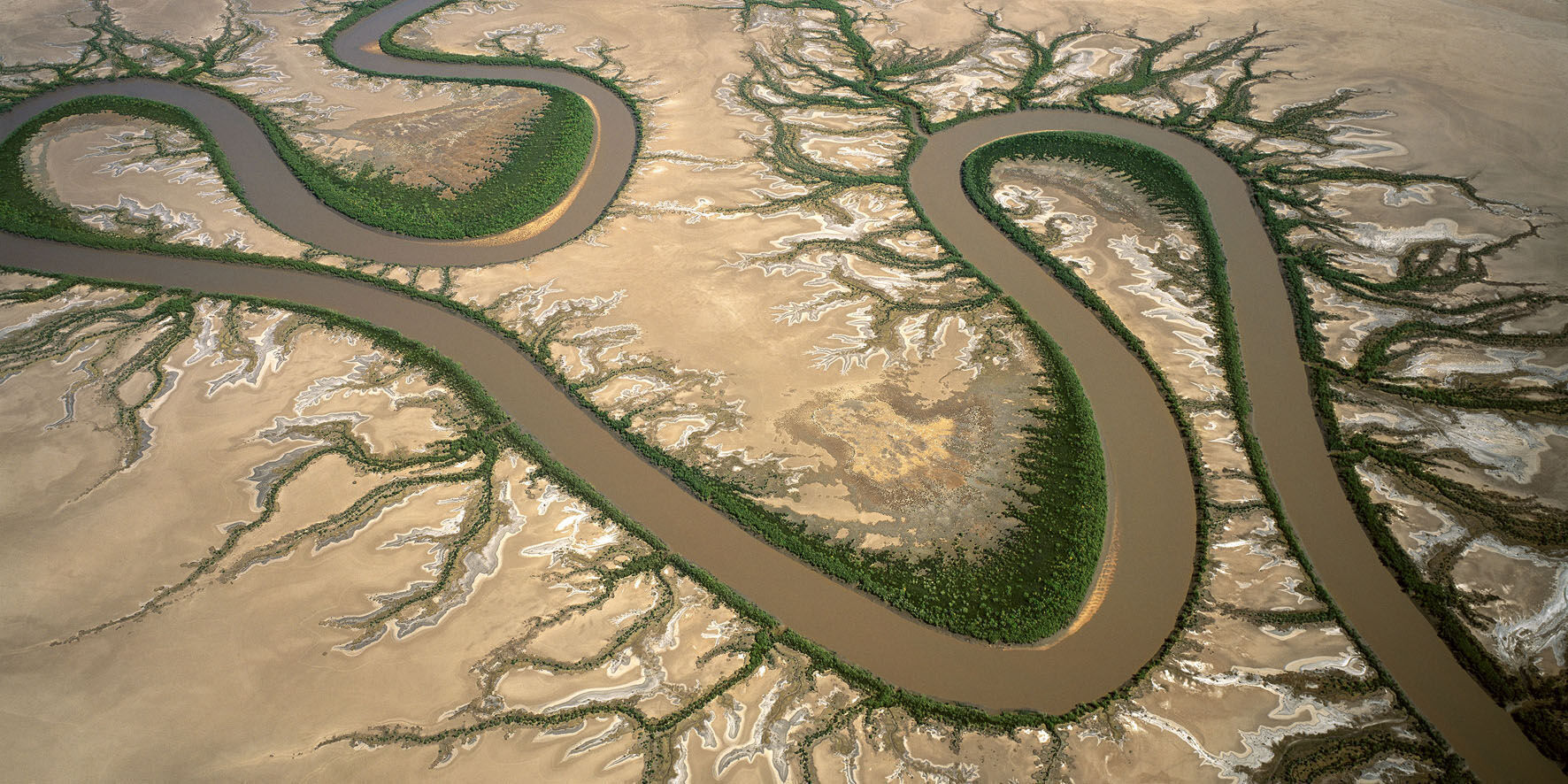
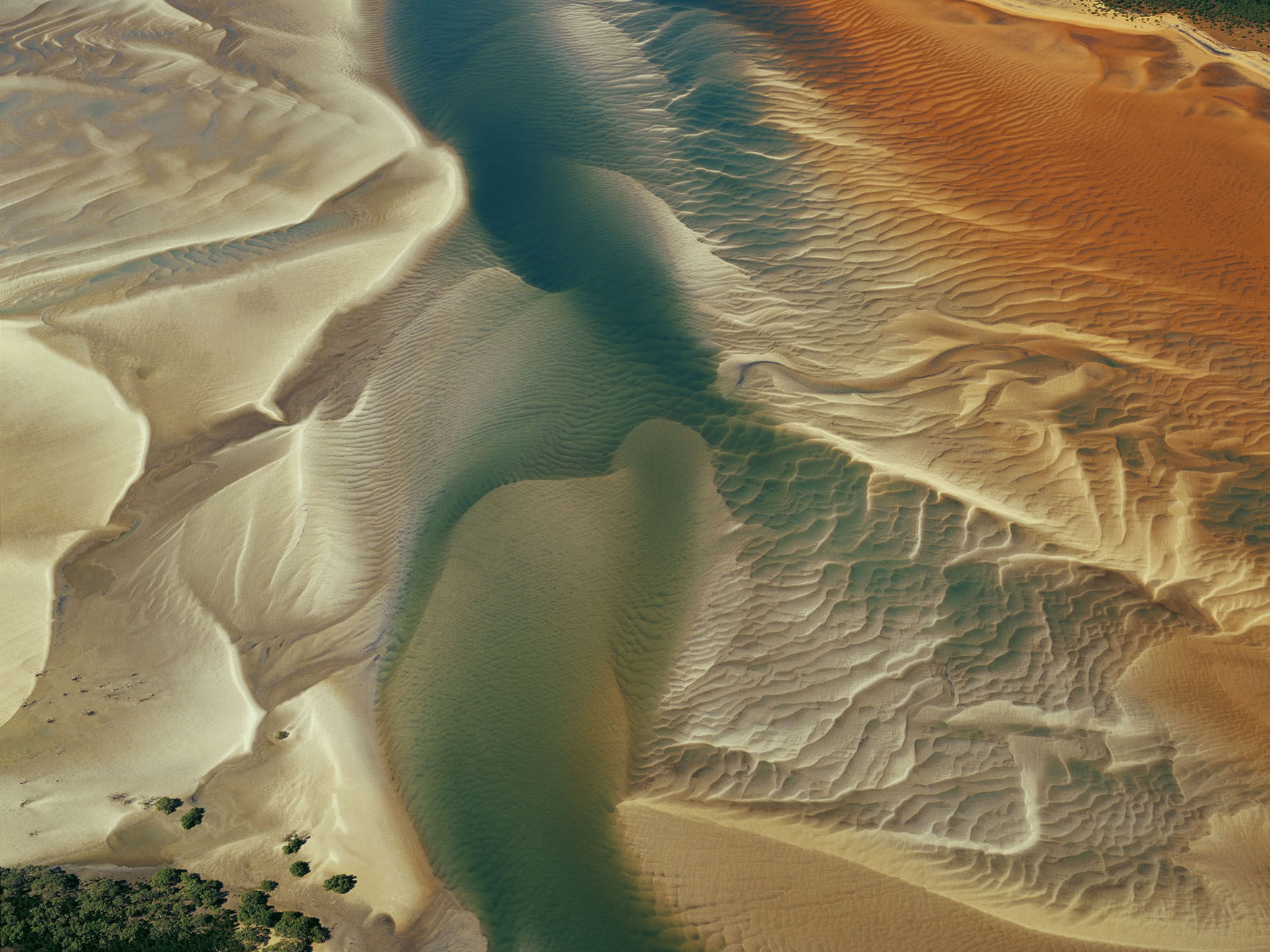
Abstract Earth was not just landscape; it was the landscape photographed by Woldendorp, a trained commercial artist and painter who viewed the world through a painter’s eye. Although each photograph in the exhibition was a precise record of a landscape seen from the air, these scenes had the power and presence of large abstract paintings. Like a painter, he saw himself principally as a practitioner influenced by the subject, utilizing his creative spirit to produce aesthetically inspiring images.
This exhibition, initially co-curated by R. Ian Lloyd and John McDonald, was a kind of retrospective of Woldendorp’s work over the period 1980 to 2007. The idea for the exhibition was built around the realisation that Woldendorp’s work was at once documentary and interpretive – aerial photographs on one level and abstractions on another.
The exhibition comprised a total of 60 images, the majority taken in Western Australia, and the rest in New South Wales, Queensland, Northern Territory, South Australia and Victoria. They were all aerial photographs, very diverse in terms of the kinds of landscapes photographed and the resulting nature of the images. Seen together, Woldendorp’s powerful images revealed the incredible beauty and diversity of this country. As such, Abstract Earth was a unique and important body of work that challenged how we experience and understand our place within the Australian landscape.